Lawrence Jordan

Over the weekend I watched the last part of a documentary about *Lawrence Jordan (Moments of Illumination) on a Buddhist channel, his creative mind was intriguing and while I had been zapping, looking for something interesting to watch, I got stuck on this channel. It was perfect timing… He was telling about how he bought a picture book with the last bit of money that he had and how this book changed his entire life.

Lawrence Jordan makes animation films by cutting images by hand, he then places these on a background: a collage of many different pictures that he moves around filming frame by frame. The images he uses are really cool and the technique is amazingly time-consuming so extreme patience is needed. I loved the documentary and have been glued to the telly all thru the show, being totally immersed by it for hours afterwards.

His creativity is truly inspiring and his life story had a profound impact on me as I am struggling with finding new goals in life and wanting to know where things are heading. Thinking too much about certain issues can easily drag me down again whilst I’m trying to keep my spirit as lifted as possible these days (which is hard at times, trust me!). But watching this documentary made my creativity all go bouncy and wishing to create.

‘A maverick spirit in the world of avant-garde American cinema, Lawrence Jordan played an important role in the late 1950s/early 1960s San Francisco art scene. Jordan has made over seventy experimental films, including a number of fanciful, filmic animations made from collaged cut outs of Victorian engravings. The animations extend dreamlike imagery of collaged landscape into a cinematic realm of transformation and free form symbolism.’

Jordan seeks to delve into the deep structures and Jungian connotations of the mythological images his films reference. His alchemical approach to imagery creates what he has called the’theater of the mind, which you construct. That is the Underworld… the realm of the imagination. You have to have a place to work with images.’ Source to visit: Lawrence Jordan

*Lawrence Jordan is an independent filmmaker who has been working in the Bay Area in California since 1955, and making films since 1952. He has produced some 40 experimental and animation films, and three feature-length dramatic films. He is most widely known for his animated collage films. In 1970 he received a Guggenheim award to make Sacred Art Of Tibet. His animation has shown by invitation at the Cannes Film Festival.
Victorian Cemetery

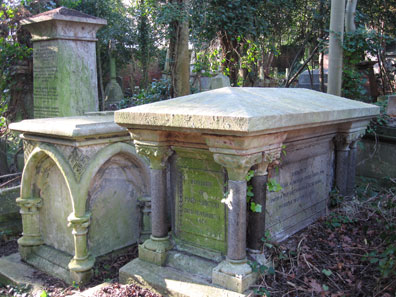
It was a beautiful sunny winter’s day today: a perfect day to go out and take pictures since the light outside is brilliant for photography during the winter months. I watched a documentary about The Magnificent Seven on the BBC a while ago and decided that evening that I just had to go and check things out for myself. The Magnificent Seven are seven cemeteries used by the citizens of nineteenth century London, the first was Kensal Green-1833, followed by Norwood-1838, Highgate in 1839, Abney Park, Brompton and Nunhead in 1840 and finally Tower Hamlets in 1841.

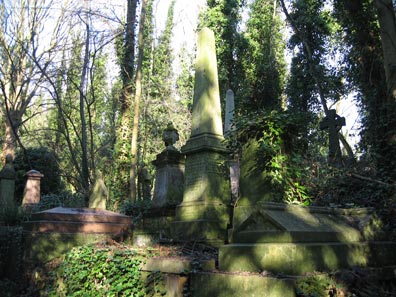
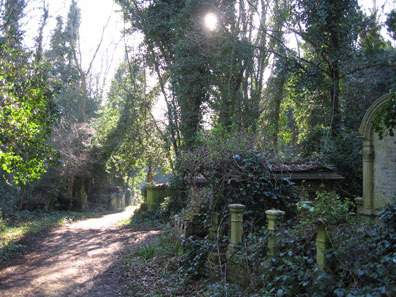
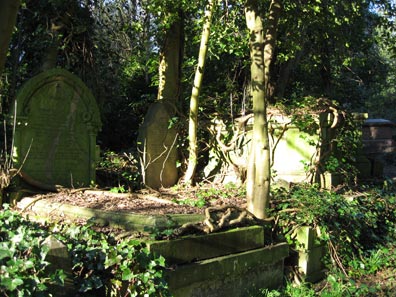
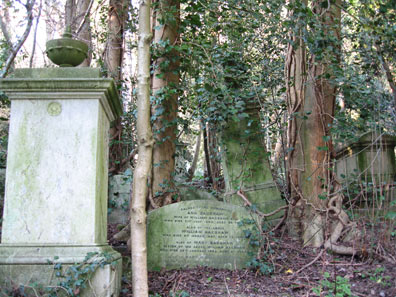
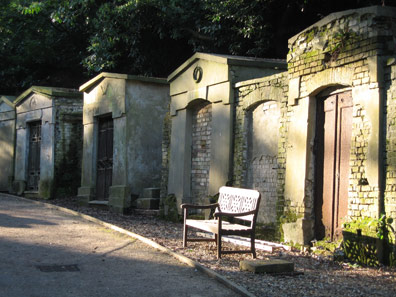
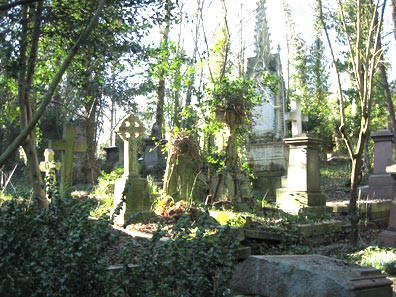
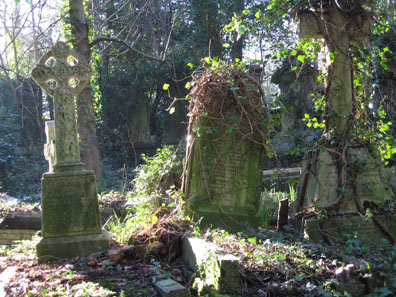
One particular cemetery caught my attention because of the amazing wildly overgrown Victorian tombs, mausoleums and gravestones. Not just that, this cemetery is also known to be of inspiration to Bram Stoker and his book Dracula. Additionally, the Highgate Cemetery is well known for its so-called occult past, being the site of the alleged Highgate Vampire according to the local tales. Some of the graves have been seriously damaged, vaults broken open and coffins smashed apart, mostly in the sixties and seventies by vandals and/or those looking for vampires.

Rumour has it that there also has been devils worshippers activity, some masses were held in a maze of catacombs that ran beneath the cemetery. One particular tomb hidden deep within the heart of the cemetery, a small mausoleum with a marble floor but which contained no coffins, had been converted into a small temple where these activities seemed to have taken place. These days access to the cemetery is only possible through a guided tour. Today the owners are The Highgate Cemetery Charity and management is by Friends of Highgate Cemetery Ltd, both charities.

The Cemetery houses a colony of urban foxes and lots of different plants including hornbeam, exotic limes, oak, hazel, sweet chestnut, field maple, tulips and one California Redwood [it’s unknown how it ended up in London at the cemetery but growing steady and tall]. Some fifty species of bird and eighteen of butterfly have been spotted here, and among the spiders, three rarely sighted in the United Kingdom. Today was the perfect opportunity to feel the vibes of this intriguing and amazing place and not just because of its history, but also because of its woodland paths, its Victorian funerary architecture and beautiful wild landscaping.

Highgate cemetery

Highgate cemetery

Highgate cemetery

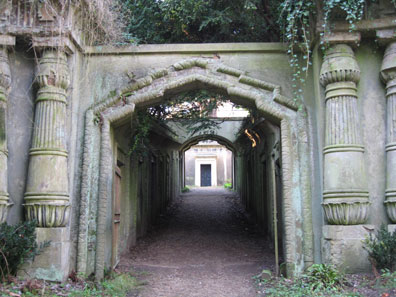
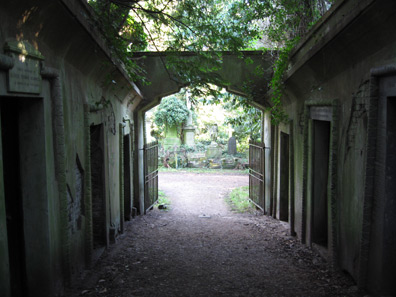
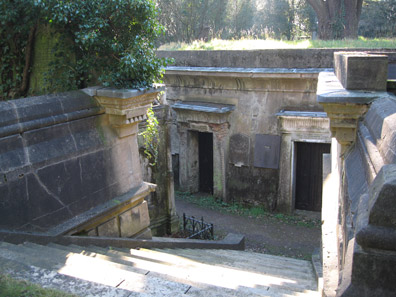
Egyptian Avenue

Egyptian Avenue

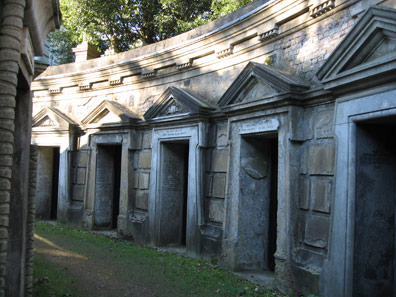
Circle of Lebanon

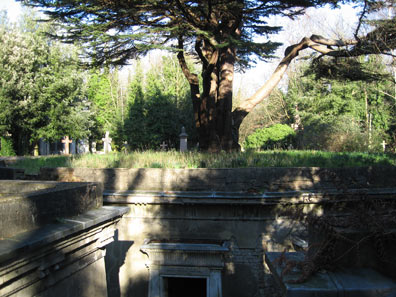
Circle of Lebanon and the 300 year old tree: Cedar Of Lebanon

Highgate cemetery

Circle of Lebanon

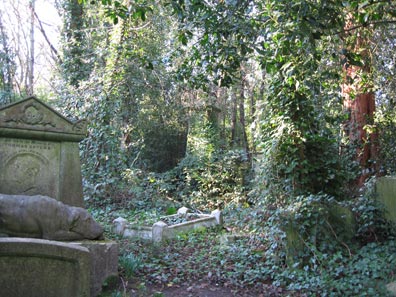
Tomb of Thomas Sayers with his hound and a Redwood on the right

Highgate cemetery

Highgate cemetery

Highgate cemetery

Highgate cemetery