
Victorian Cemetery

It was a beautiful sunny winter’s day today: a perfect day to go out and take pictures since the light outside is brilliant for photography during the winter months. I watched a documentary about The Magnificent Seven on the BBC a while ago and decided that evening that I just had to go and check things out for myself. The Magnificent Seven are seven cemeteries used by the citizens of nineteenth century London, the first was Kensal Green-1833, followed by Norwood-1838, Highgate in 1839, Abney Park, Brompton and Nunhead in 1840 and finally Tower Hamlets in 1841.

One particular cemetery caught my attention because of the amazing wildly overgrown Victorian tombs, mausoleums and gravestones. Not just that, this cemetery is also known to be of inspiration to Bram Stoker and his book Dracula. Additionally, the Highgate Cemetery is well known for its so-called occult past, being the site of the alleged Highgate Vampire according to the local tales. Some of the graves have been seriously damaged, vaults broken open and coffins smashed apart, mostly in the sixties and seventies by vandals and/or those looking for vampires.

Rumour has it that there also has been devils worshippers activity, some masses were held in a maze of catacombs that ran beneath the cemetery. One particular tomb hidden deep within the heart of the cemetery, a small mausoleum with a marble floor but which contained no coffins, had been converted into a small temple where these activities seemed to have taken place. These days access to the cemetery is only possible through a guided tour. Today the owners are The Highgate Cemetery Charity and management is by Friends of Highgate Cemetery Ltd, both charities.

The Cemetery houses a colony of urban foxes and lots of different plants including hornbeam, exotic limes, oak, hazel, sweet chestnut, field maple, tulips and one California Redwood [it’s unknown how it ended up in London at the cemetery but growing steady and tall]. Some fifty species of bird and eighteen of butterfly have been spotted here, and among the spiders, three rarely sighted in the United Kingdom. Today was the perfect opportunity to feel the vibes of this intriguing and amazing place and not just because of its history, but also because of its woodland paths, its Victorian funerary architecture and beautiful wild landscaping.
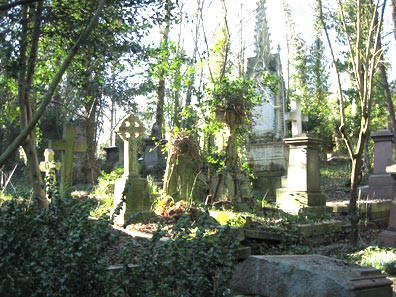
Highgate cemetery
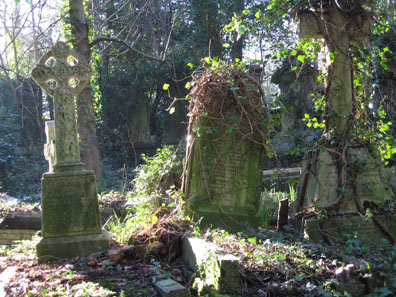
Highgate cemetery
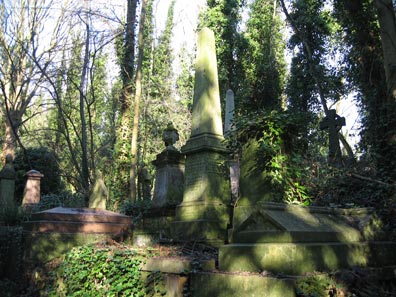
Highgate cemetery
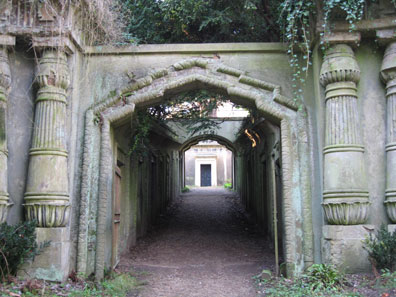
Egyptian Avenue
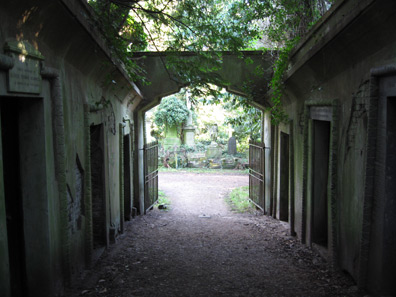
Egyptian Avenue
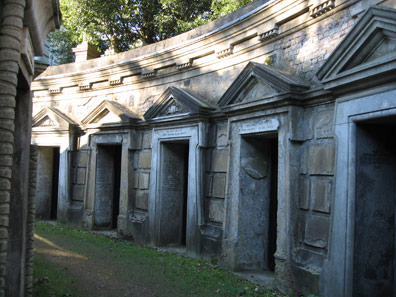
Circle of Lebanon
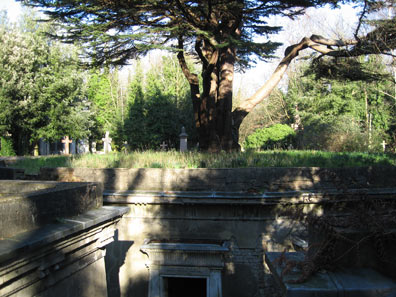
Circle of Lebanon and the 300 year old tree: Cedar Of Lebanon
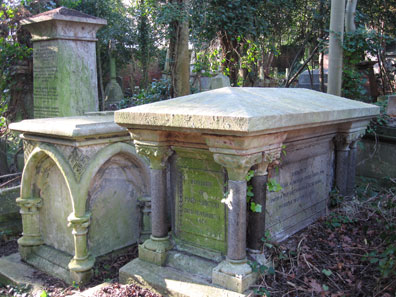
Highgate cemetery
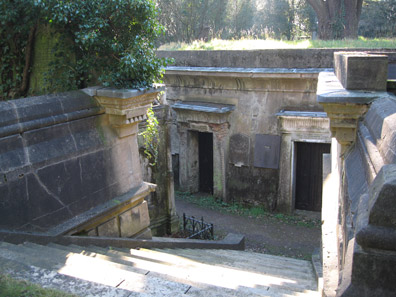
Circle of Lebanon
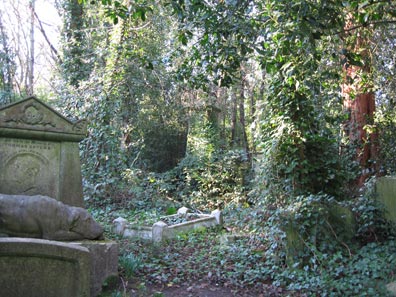
Tomb of Thomas Sayers with his hound and a Redwood on the right
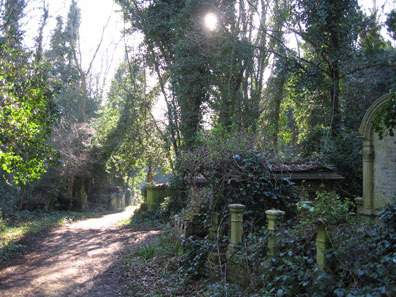
Highgate cemetery
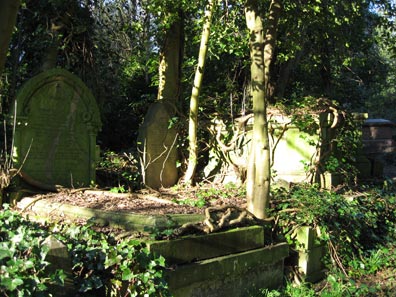
Highgate cemetery
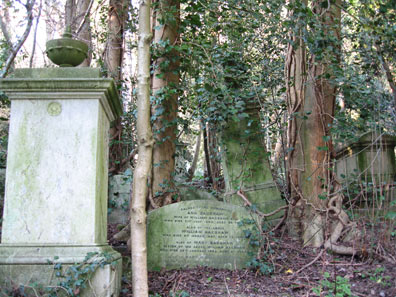
Highgate cemetery
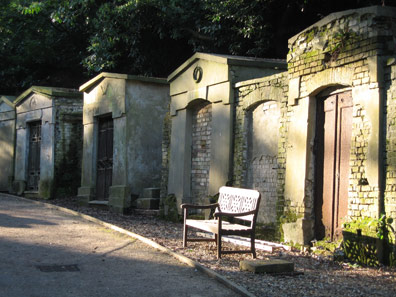
Highgate cemetery

Urban Foxes

The foxes have been restless for days and keep me awake at night wandering around in the gardens… I wonder what is going on, why they make such noise, I think it’s probably a territory thing but I can’t find any info. What I did find was very interesting to read:

Wildlife facts: Urban Foxes

Foxes have made a success of living with people. This is not based upon their mythical cunning, but rather their ability to adapt to a range of changing conditions.

The Move to the Cities

Foxes moved into urban areas after World War I due to a change in people’s lifestyles. The new transport systems allowed people to work in one place and to live in another, leading to the building of suburban housing in one rural areas. Rural foxes quickly urbanised, taking advantage the food and shelter provided in these new relatively large gardens, from compost heaps, bird tables and garden buildings. Now accustomed to living so near to people, successive generations have spread inwards towards the city centre. Today there are more opportunities of food and shelter for foxes in towns and cities than in the surrounding countryside, with the destruction of hedgerows, woods and wild field margins.

Family Life

They live in family groups – a dog fox and vixen producing one litter of about 4 cubs a year. It is also common for one or two other vixens to help raise the family – usually either the daughters or sisters of the breeding vixen. They communicate through calls, which may be very loud in the breeding season, scent marking, facial expressions, and body postures that are very similar to dogs. Hunting throughout the family territory, these opportunist feeders, have a varied diet ranging from fruit to mice. On average, scavenged food forms some 36% of their diet, with a large amount of this deliberately put out to attract them. It is commonly, but wrongly believed that urban foxes feed largely on the contents of dustbins which they have raided – these are more often disturbed by cats and dogs.

Threats to Foxes

The number of urban foxes remains about the same despite approximately 60% of the population dying in a year. Nearly half of these deaths are due to car accidents. However, injured animals often survive, lying under a garden shed until the bones start to knit together. Once the fox is able to feed again it will soon regain its lost weight. Generally it is best not to move an injured or sick animal, rather to put out food for it each night. A fox taken in for treatment has only a slim chance of survival. It will probably be driven out from its territory by a new tenant. This “do not disturb” policy is true for supposedly abandoned fox cubs. A vixen normally leaves her cubs for long periods of time, especially as they get older. The rearing of truly orphaned cubs may be taken over by other members of the fox family group.

Friend or Foe?

Most people derive pleasure from having foxes in their neighbourhood and they are certainly a benefit, feeding on rats, mice and feral pigeons. Most encounters with other large animals, such as cats, result in the two animals ignoring each other, or the cat coming off best. They are only a threat to small family pets such as rabbits. Most fox diseases are not transferable to pets or people. Should rabies enter Britain, The Wildlife Trusts would support the vaccination of foxes, and not their killing, as an appropriate means of control.

Spotting your Fox

You are most likely to see foxes at dawn or dusk as they are often night hunters, spending their days in a sheltered, secluded spot either above or below ground. Male foxes, called dog foxes, are not much larger then cats weighing about 6.5kg (14lbs) and standing about 35cm (14″) at the shoulder. Female foxes, called vixens, are slightly smaller. Their colours may vary slightly form those shown, and during the spring and summer months they may look extremely scruffy as they moult.

These wild animals provide a welcome reminder in our urban world of the realities of nature. They hunt, breed, play and die in the “wilderness” of our “backyard”. Adaptable opportunists, they have learnt to cope with the world that we have changed.

© Wild London